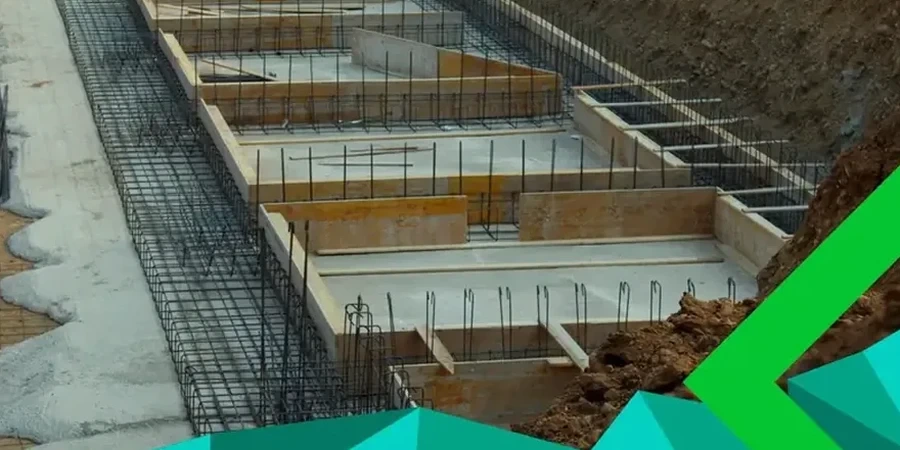
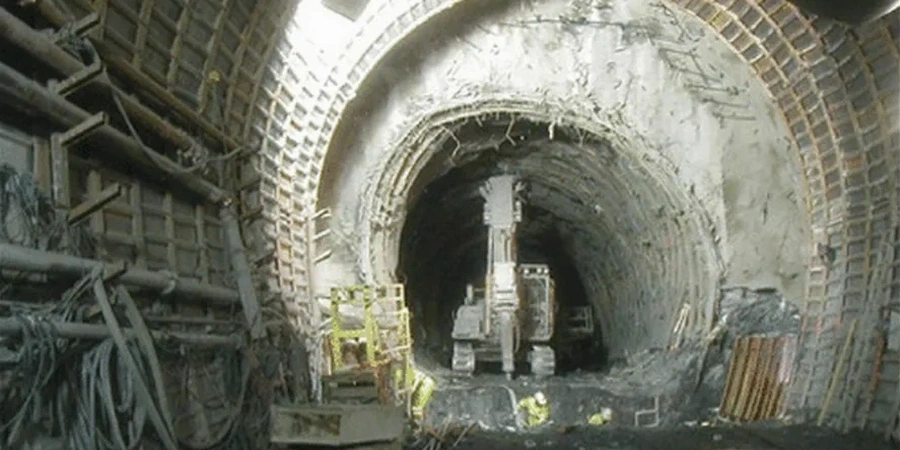
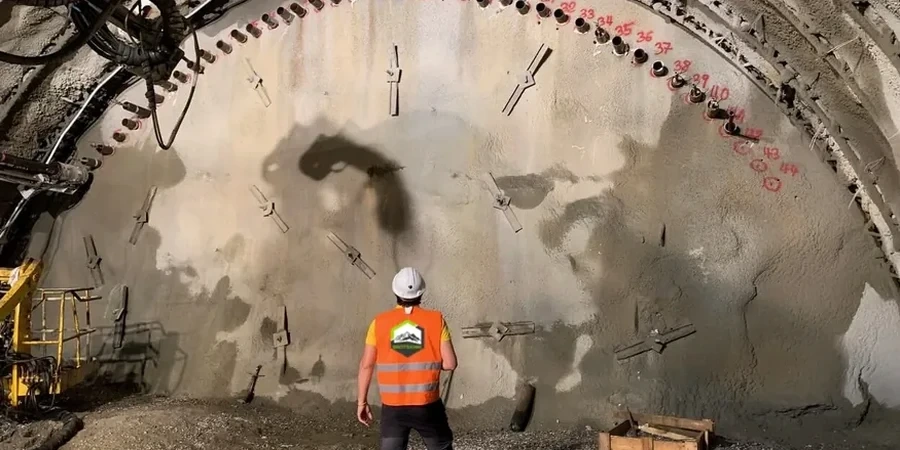
Victoria sits on a complex mix of glacial till, marine clay, and fractured bedrock, shaped by the Cordilleran ice sheet. The city sees over 600 mm of rain annually, which keeps groundwater levels high from October through April. Deep excavations here, especially within the downtown core, intersect these saturated layers quickly. Shoring designs that look solid on paper can behave differently once the first three meters are open. We deploy inclinometers, piezometers, and load cells to track what the ground actually does. This data feeds directly into the observational method, letting the site team adjust bracing or dewatering before small movements become problems. For projects near the Inner Harbour, where tide fluctuations add another variable, combining our monitoring program with a deep excavations assessment early in the design phase prevents surprises during bulk digging.
A single inclinometer reading is a data point; the trend over 48 hours is the decision tool.