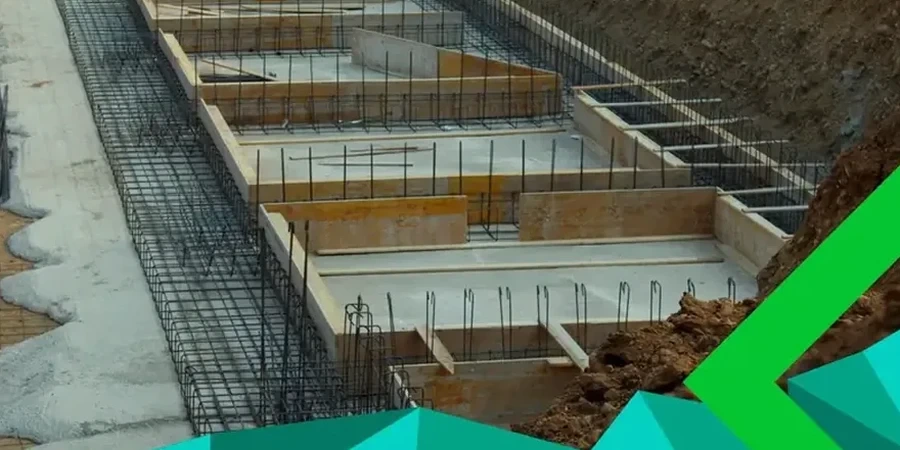
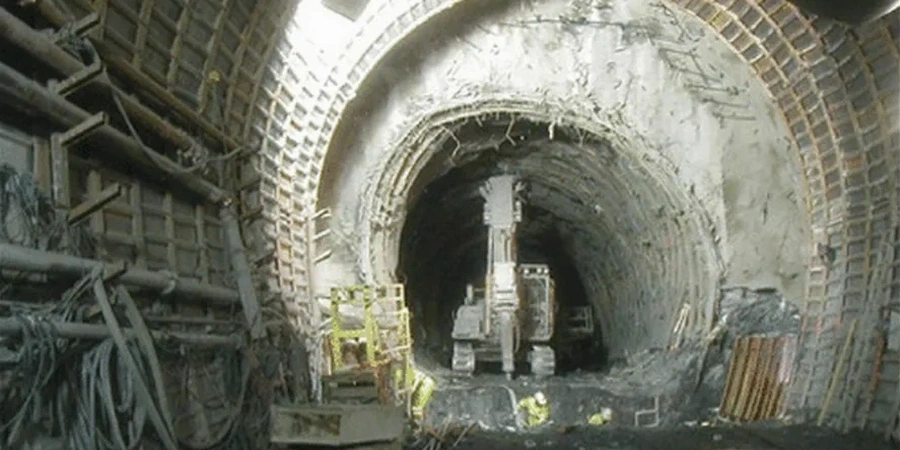
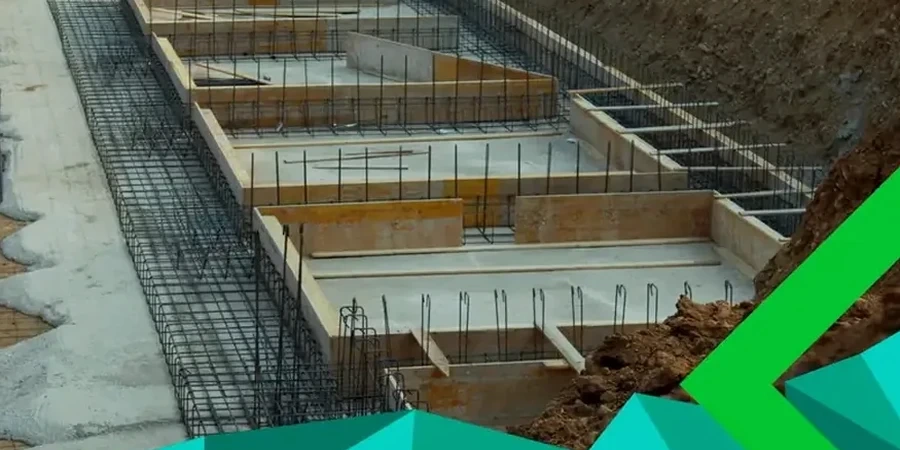
Victoria’s coastal setting, wedged between the Juan de Fuca Strait and the insulating bulk of Vancouver Island, creates a geotechnical puzzle that standard foundation tables simply cannot solve. The city sits on a complex stratigraphy of Vashon glacial till overlying glacially overconsolidated clays, and these layers shift dramatically across the peninsula—from the stony uplands of Saanich to the marine sediments near the Inner Harbour. What works in solid till often fails a few blocks away where a pocket of compressible silt goes unnoticed. We see this pattern repeatedly in our lab when reviewing borehole logs from James Bay to Oaklands. A reliable shallow foundation design in Victoria BC demands more than presumptive bearing values; it requires site-specific sampling, rigorous consolidation testing, and an understanding of how seasonal moisture fluctuations affect the stiff near-surface crust. Our testing program integrates in-situ density verification through sand cone density where fill has been placed, and we often recommend plate load test to calibrate modulus values when dealing with questionable shallow strata.
Victoria’s glacial till is not one material—it is a mosaic of dense lodgement till, ablation debris, and interbedded silts that demand a site-specific foundation approach.