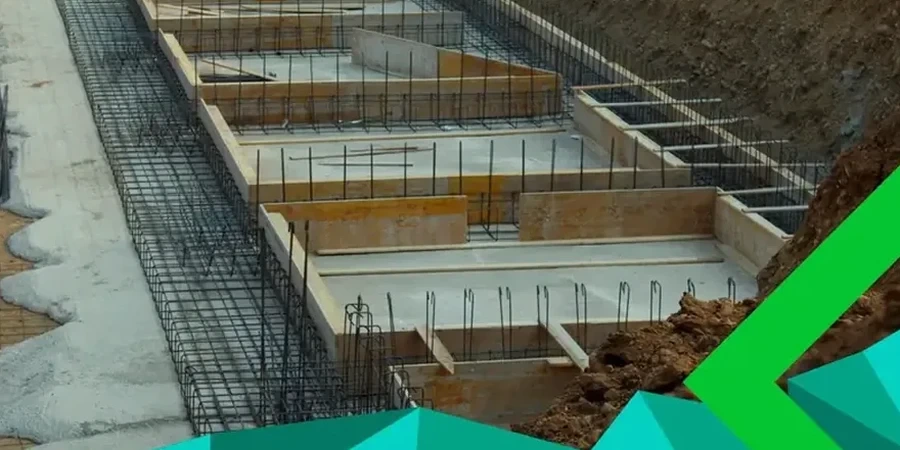
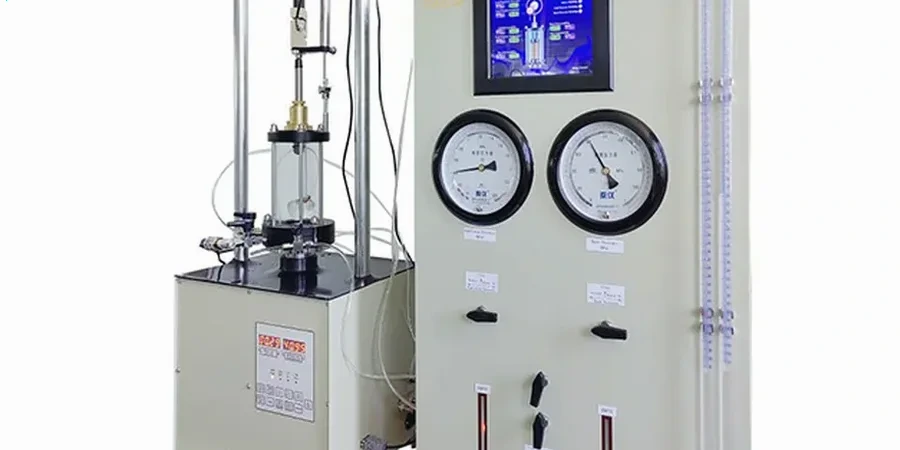
Last spring we received a set of Shelby tubes from a waterfront excavation near the Inner Harbour. The contractor needed to know how the marine silts would behave under the load of a five-story mixed-use building with underground parking. Victoria’s glacial and post-glacial deposits — particularly the fine-grained soils common around James Bay and along the Gorge Waterway — don’t give up their secrets easily. A standard strength test wasn’t going to cut it. We ran a consolidated-undrained triaxial series with pore pressure measurement to nail down the effective friction angle. The results allowed the structural engineer to reduce the foundation footprint by nearly 12 percent compared to the conservative assumption they started with. On sites where the slope stability of a nearby cut is also in play, that level of precision becomes non-negotiable.
Effective stress parameters measured at the right saturation can cut foundation costs more than any value-engineering exercise on paper.