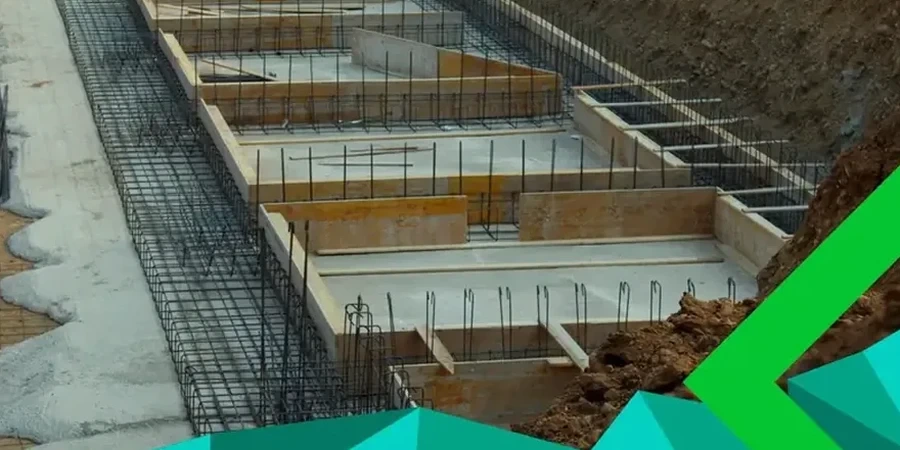
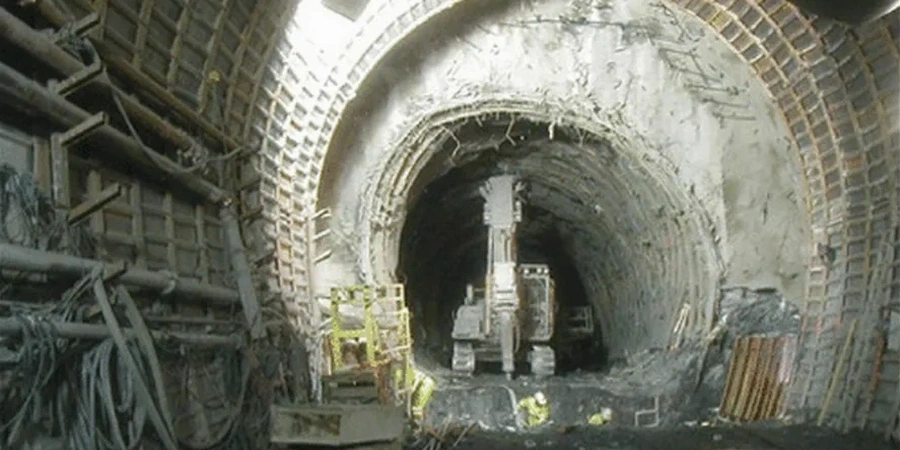
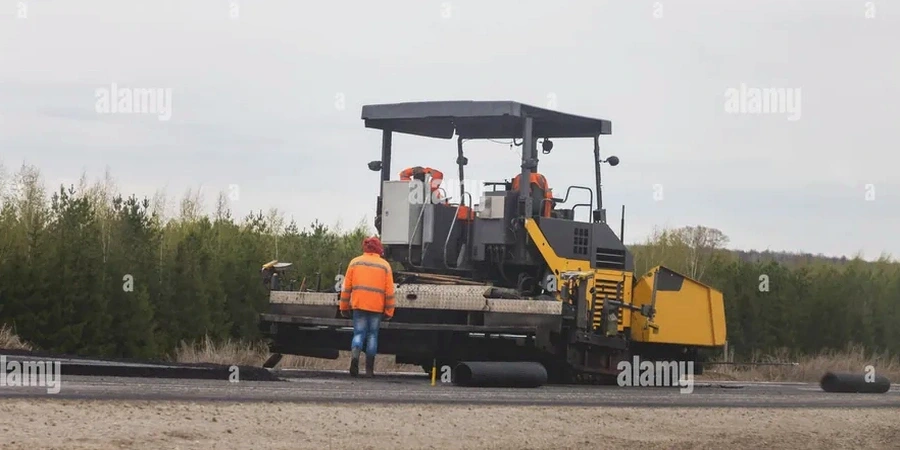
The seismic and geotechnical provisions of the National Building Code of Canada (NBCC) are not optional in Victoria—they are the baseline for any pavement that intends to last. Victoria sits at the southern tip of Vancouver Island, where the underlying geology shifts from glacial till to pockets of compressible marine clay within a few blocks. Designing a flexible pavement here means reconciling the region’s 2,100 mm of annual rainfall with subgrade soils that can lose half their bearing strength when saturated. We learned early on that a standard structural number approach fails if the drainage layer isn’t engineered for the local rainfall intensity. Our team applies the 1993 AASHTO Guide for Design of Pavement Structures alongside CSA A23.3 for concrete curbs and appurtenances, adapting the granular base thickness to the specific CBR values we measure on each lot. For projects near the Gorge Waterway or along the Dallas Road bluffs, we often pair the pavement design with a slope stability analysis to ensure edge support remains intact through winter storms, and we run a CBR test in the lab to confirm the soaked strength of the subgrade before setting the asphalt thickness.
In Victoria, a pavement is only as good as its subgrade’s drained shear strength. We design for saturated conditions from day one.